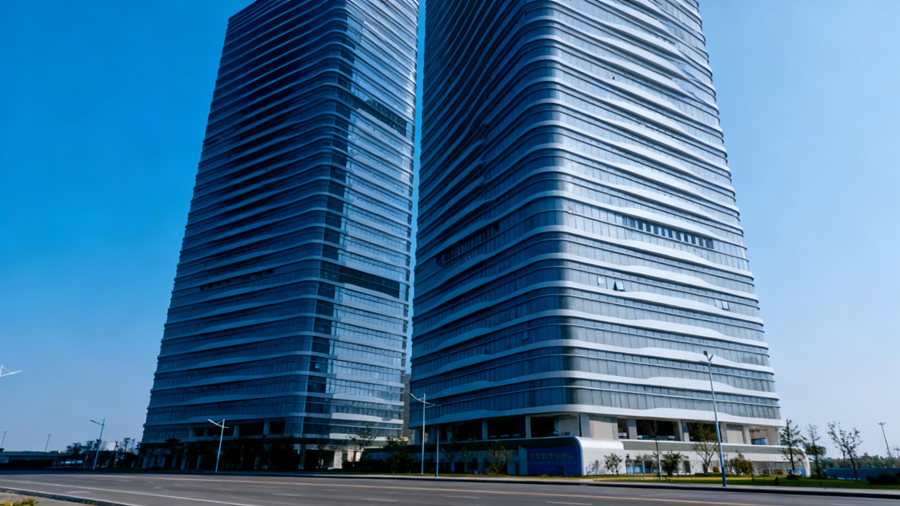





Navigating autonomous vehicles through Shanghai's Lujiazui financial district, where skyscrapers tower 400 meters and create severe satellite signal multipath, is one of the most demanding tests for any positioning system. A local autonomous driving startup set out to solve this challenge, requiring lane-level accuracy (sub-30cm) for safe operation in dense traffic.
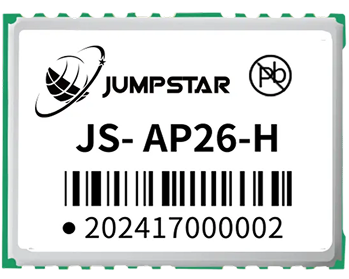
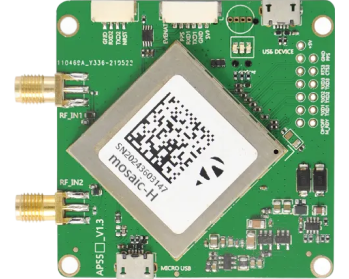
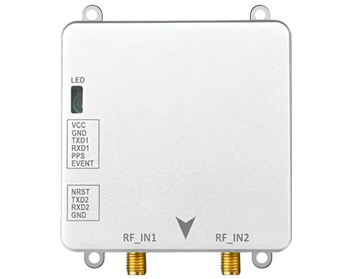
After extensive evaluation of available GNSS technologies, the team selected Jumpstar's multi-band GNSS receiver with IMU fusion, leveraging L1/L2/L5 triple-frequency tracking and tight-coupling algorithms to maintain accuracy even when satellite visibility dropped below the threshold required by conventional RTK systems.
The Urban Canyon Problem
Shanghai's urban core presents a worst-case scenario for GNSS positioning. Glass curtain walls reflect satellite signals with delays exceeding 100 meters, while building shadows block up to 80% of the sky during street-level driving. Standard dual-system GPS receivers in the test fleet produced horizontal errors exceeding 5 meters, dangerously inadequate for lane keeping and intersection navigation.
- Multipath Interference: Reflected signals from building facades created ghost satellite paths, corrupting position solutions with unpredictable bias.
- Sky Visibility: Street corridors between skyscrapers limited visible satellites to 4-6, often below the 7+ required for reliable RTK fix.
- Dynamic Stress: Stop-and-go traffic, sharp turns, and frequent lane changes demanded low-latency position updates with minimal drift.
- Safety Requirements: Functional safety standards mandated continuous integrity monitoring with immediate fault detection.
We tested six different GNSS modules across three continents. Jumpstar was the only solution that maintained centimeter accuracy in Lujiazui's worst intersections. The multi-band architecture makes all the difference.
Results and Fleet Expansion
With Jumpstar modules integrated into the sensor fusion stack, the test fleet achieved horizontal accuracy of 2-3cm in open-sky conditions and maintained sub-50cm accuracy even during extended sky-blocked sequences through tunnel-like street corridors. The IMU tight-coupling bridged GNSS outages of up to 30 seconds without significant position drift.
Following successful validation, the startup expanded the deployment to 50 vehicles operating across Shanghai's Pudong and Hongkou districts. The system has logged over 2 million kilometers of autonomous driving with zero positioning-related safety disengagements.
The company is now working with Jumpstar to evaluate next-generation modules supporting additional GNSS constellations planned for 2027 deployment.
.png?imageMogr2/format/webp)
.png?imageMogr2/format/webp)