




Covering over 12,000 hectares of wheat and barley fields in Western Australia, the Cooper Downs Agricultural Cooperative faced mounting pressure to reduce input costs while maintaining yield quality. Their conventional autosteering systems, relying on standard GPS, produced pass-to-pass accuracy of only plus or minus 25cm, resulting in significant overlap, missed strips, and wasted seed, fertilizer, and fuel.
The cooperative partnered with Jumpstar to deploy RTK-GNSS receivers across their fleet of 14 autonomous tractors and harvesters. Within a single growing season, the results exceeded projections, delivering measurable improvements across every key performance indicator.
The Precision Agriculture Transformation
Western Australia's vast, flat terrain presents unique challenges for agricultural automation. While open skies provide excellent satellite visibility, the sheer scale of operations means that even small inefficiencies compound into substantial annual losses. The cooperative needed a solution that could deliver sub-inch accuracy across fields stretching to the horizon.
- Eliminated Overlap Waste: Pass-to-pass accuracy improved from plus or minus 25cm to plus or minus 2cm, reducing seed and fertilizer overlap from 8% to under 0.5%.
- Fuel Efficiency Gains: Precise row following eliminated redundant passes, contributing to a documented 15% reduction in annual diesel consumption across the fleet.
- 24-Hour Operation: Multi-constellation GNSS support enabled reliable autosteering during dawn, dusk, and cloudy conditions when WAAS-corrected GPS became unreliable.
- Yield Mapping Accuracy: Precise geo-referencing of yield monitor data enabled targeted variable-rate inputs for the following season, improving marginal field performance.
When you are farming at this scale, every percentage point matters. The Jumpstar system paid for itself in the first season just from fuel and input savings, not counting the yield improvements we are seeing now.
Technical Deployment Details
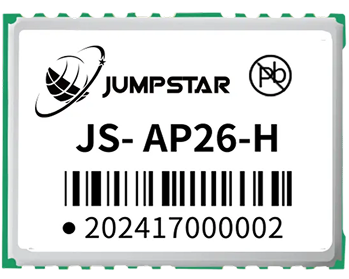
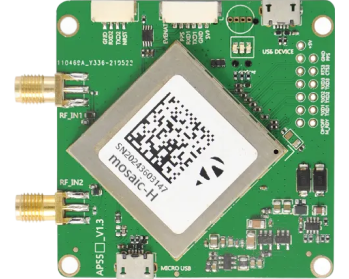
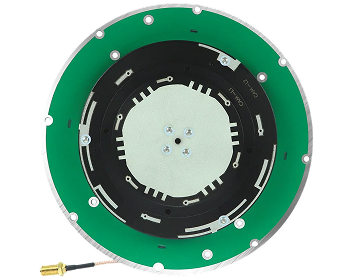
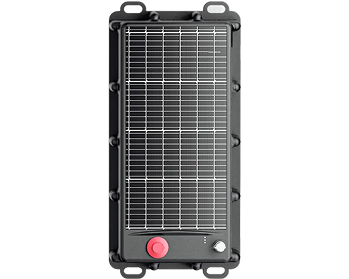
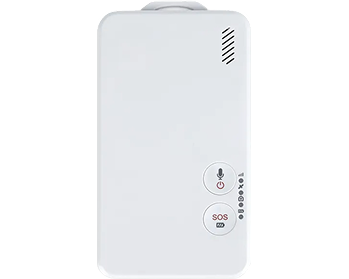
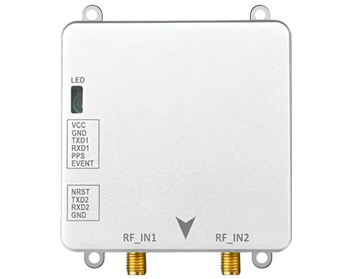
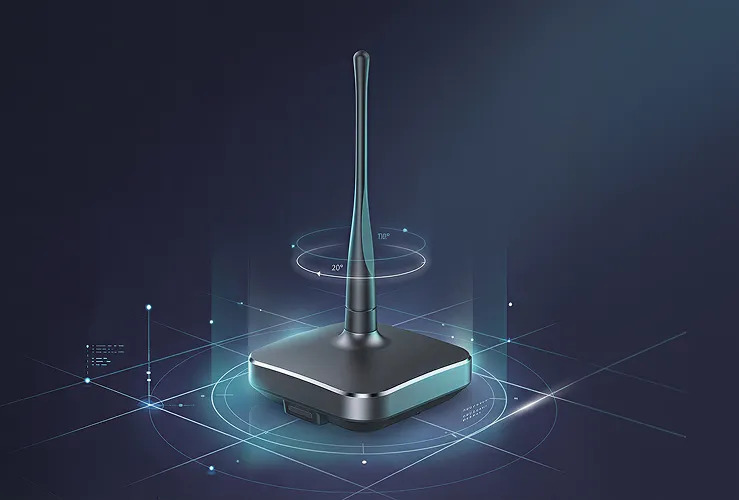
Each tractor was equipped with a Jumpstar RTK receiver connected to a roof-mounted multi-band antenna. A single local base station, positioned at the cooperative's headquarters, broadcast RTK corrections across the entire operating area via UHF radio link. The compact receiver form factor required no modifications to existing cab configurations.
The cooperative is now expanding the system to their precision irrigation infrastructure, using the same RTK network to control linear move systems with centimeter-level guidance accuracy.
.png?imageMogr2/format/webp)
.png?imageMogr2/format/webp)