



When an engineering team selects a GNSS supplier, the comparison rarely ends with positioning accuracy or unit price. The equipment being developed — a UAV, an autonomous robot, a precision agricultural implement or a surveying instrument — will carry that positioning hardware for years. What matters is whether the supplier can customise hardware and firmware, provide engineering support, move efficiently from prototype to mass production, and hold consistent quality across thousands of units.
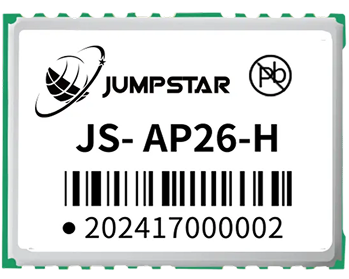
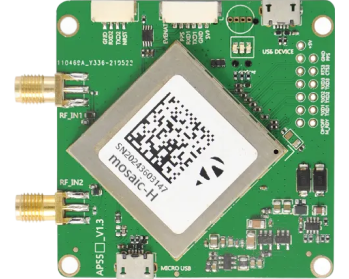
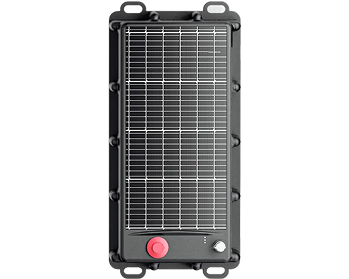
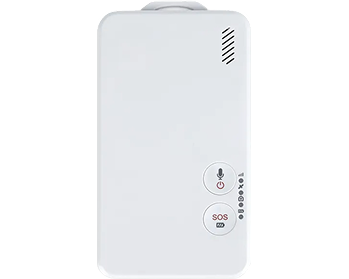
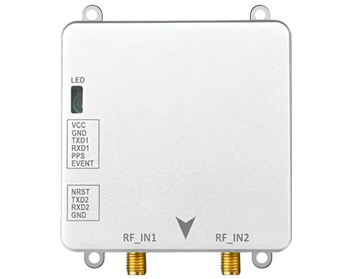
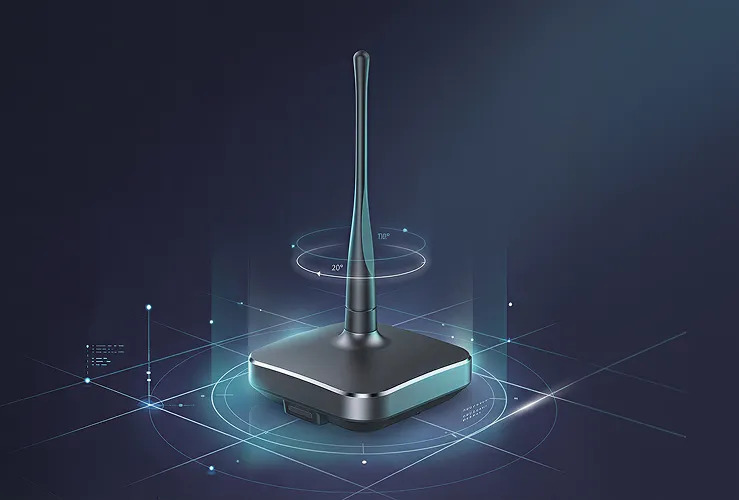
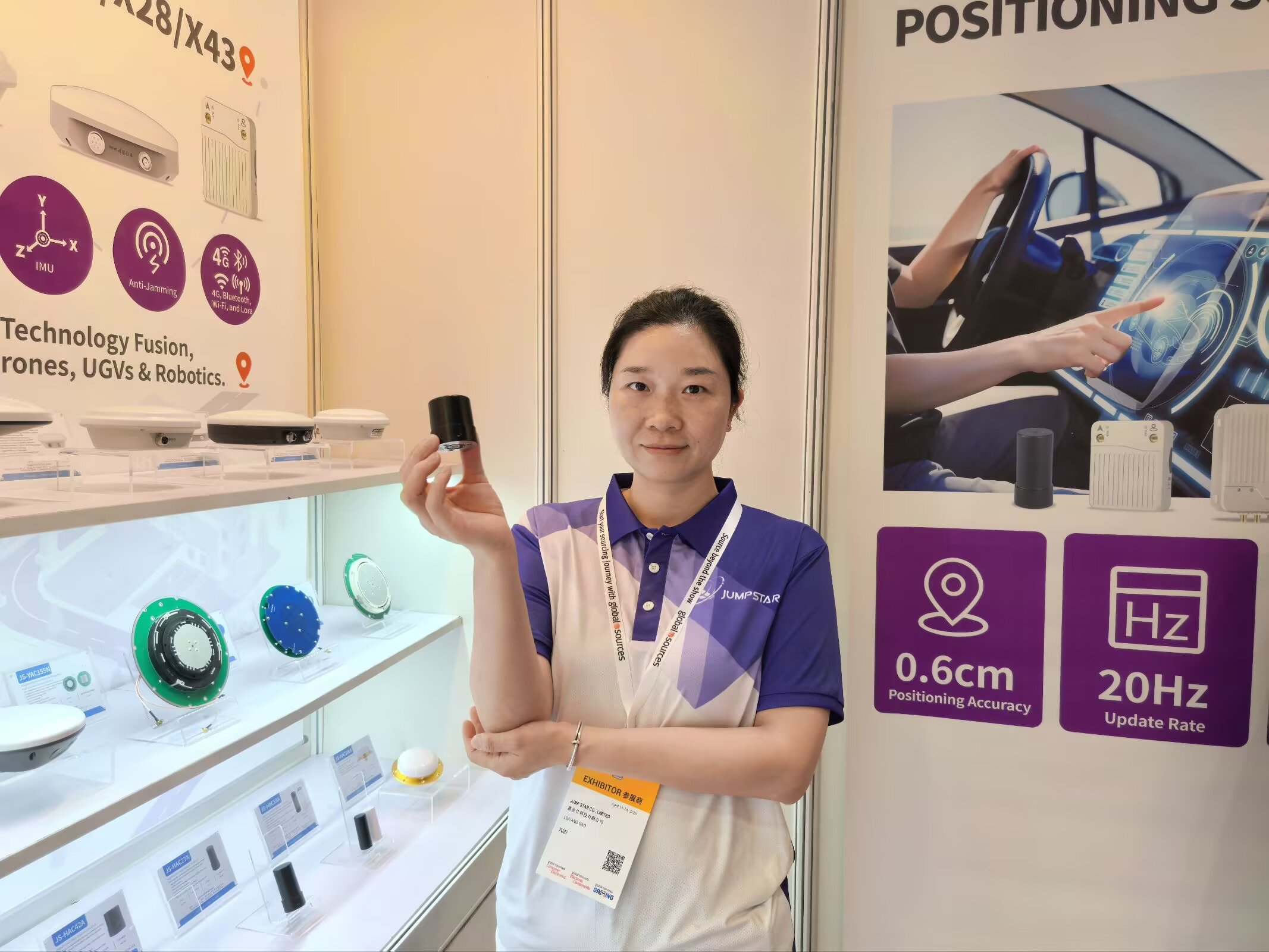
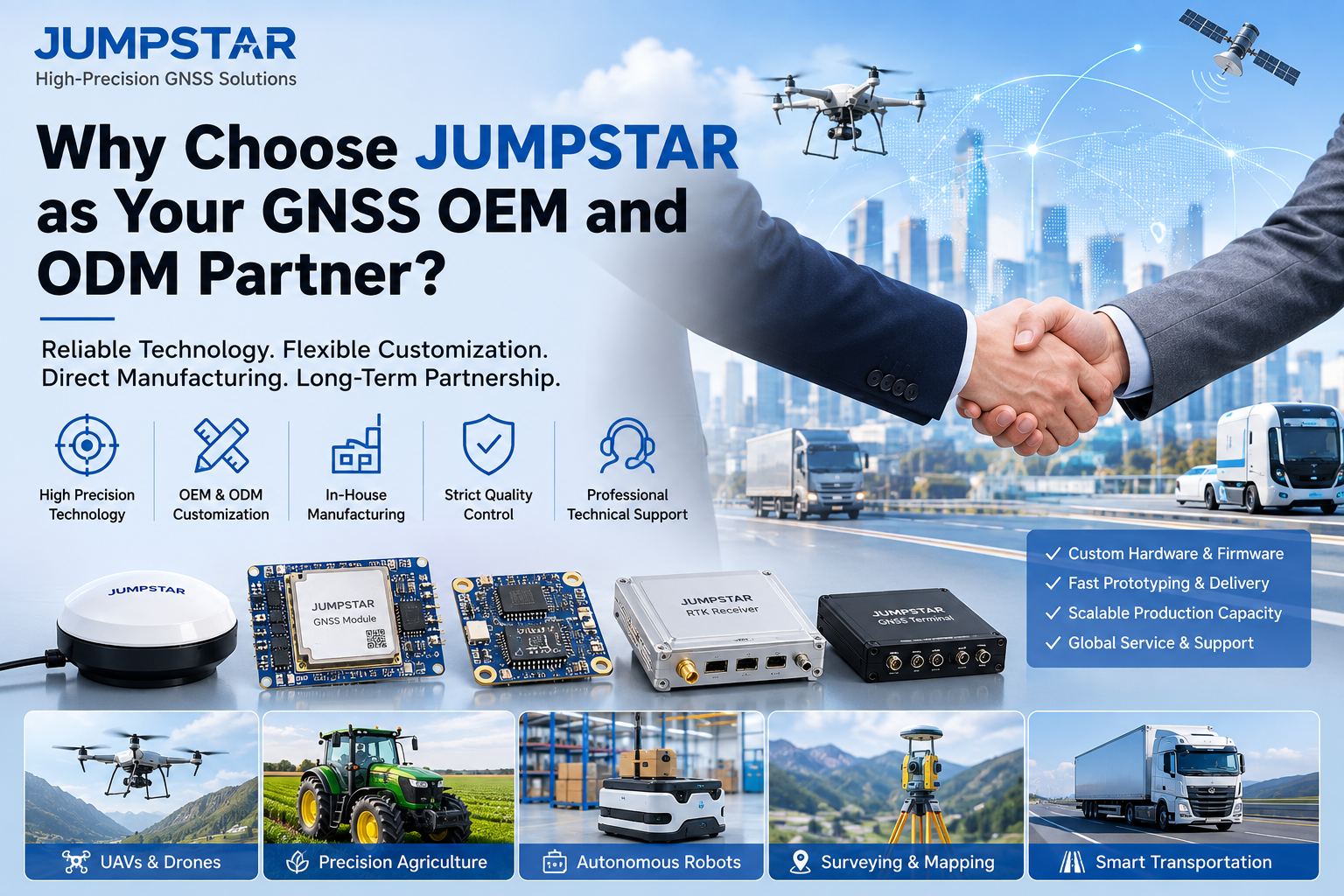
JUMPSTAR (Shenzhen Jumpstar Technology) is a GNSS positioning technology company and direct-source manufacturer with many years of experience in high-precision positioning. It designs and produces GNSS modules, high-precision RTK modules, GNSS OEM boards, GNSS antennas, RTK receivers and systems, tracking and telematics terminals, and evaluation kits and accessories — and it operates its own SMT production lines. For companies that need a partner rather than a part supplier, JUMPSTAR works as a GNSS OEM ODM partner across the entire product development cycle.
What Should You Look for in a GNSS OEM/ODM Partner?
Evaluating a GNSS OEM manufacturer is a different exercise from comparing off-the-shelf modules. OEM and ODM customers should assess a prospective supplier against the criteria that determine project success:
- GNSS technology and R&D capability
- Hardware customisation capability
- Firmware and software support
- Manufacturing capability
- Quality control
- Prototyping and mass-production support
- Technical documentation and engineering support
- Industry application experience
A supplier that scores well across all eight criteria is rare. Many companies can ship a module; fewer can redesign it, manufacture it consistently and support it through integration.
In-House GNSS R&D for Application-Specific Requirements
GNSS applications impose very different demands on the same underlying technology. UAVs need compact, lightweight positioning hardware. Agricultural machinery must hold stable fixes under vibration and outdoor conditions. Surveying equipment requires high positioning accuracy and reliable RTK performance. Autonomous robots need continuous positioning and heading information. Vehicle applications demand compact integration and dependable communication interfaces.
JUMPSTAR's engineering capability lets customers adapt GNSS solutions to their specific application instead of being forced onto one fixed hardware configuration. Its in-house R&D spans GNSS receiver architecture, RF design, PCB design, positioning algorithms, firmware, communication interfaces, antenna integration and system integration. That breadth means a GNSS module OEM or ODM request can be addressed at the level where it actually sits — a layout change, a firmware change or a full hardware redesign — rather than being answered with a standard catalogue product.
Flexible GNSS OEM and ODM Customization
Customisation is where JUMPSTAR's OEM and ODM model becomes concrete, and it helps to be clear about the two levels of cooperation:
OEM. The customer builds on JUMPSTAR's existing GNSS platform, with custom branding, interface or connector changes, product configuration adjustments and firmware adjustments where applicable. This route suits companies that want a proven design with a faster time to market.
ODM. The customer needs deeper engineering. Hardware redesign, PCB layout modification, form-factor changes, firmware customisation and application-specific integration are all on the table. ODM is the right model when the GNSS hardware must be shaped around the host product.
For companies developing UAV systems, agricultural machinery, autonomous robots, surveying equipment, vehicle systems or industrial positioning equipment, this flexibility matters. A custom GNSS solution can be as small as a connector change or as large as a new board layout — and it is available without asking the customer to redesign around a catalogue part. Where the project starts from a JUMPSTAR platform, GNSS OEM boards provide a practical base for embedded integration and interface adaptation.
From Prototype to Mass Production
The distance between a working prototype and a production run is where many GNSS projects stall. JUMPSTAR is structured to close that gap with a single partner through the whole cycle:
Requirement Analysis → Engineering Design → Prototype → Testing → DFM → SMT Production → QA → Mass Production
Because JUMPSTAR operates its own SMT production capability, engineering and manufacturing work within one organisation. That reduces the communication gap between development and production — design intent is not lost in translation between an engineering firm and a third-party contract manufacturer. The practical benefits are production consistency, supply-chain control, quality management and a faster engineering-to-production transition.
JUMPSTAR's own manufacturing allows direct-source production rather than dependence on external factories. According to the company's published information, functional prototypes can typically be developed within approximately 2–3 weeks, while lead times for standard products and customised products differ depending on requirements and order volume.
Manufacturing and Quality Control
GNSS hardware is unforgiving of manufacturing inconsistency. RF performance, positioning stability, power consumption and long-term reliability can all be affected by soldering quality, component sourcing and assembly consistency. A receiver that performs well in the lab can disappoint in the field if production varies from unit to unit.
JUMPSTAR addresses this with SMT manufacturing, production testing and laboratory testing before shipment, quality inspection and certification support. Relevant hardware complies with CE, FCC and RoHS. For OEM customers, working with a GNSS hardware manufacturer that controls its own production simplifies the compliance story as well — the hardware arrives with documentation rather than surprises.
Technical Support Beyond Hardware Supply
A GNSS module that works on a bench is not the same as a GNSS module integrated into a finished product. Antenna design, power design, communication configuration, firmware integration and system testing all sit between the component and the device. That is why JUMPSTAR provides technical resources well beyond the hardware itself: datasheets, hardware integration guides, protocol specifications, firmware resources, evaluation software, NMEA / RTCM documentation, and remote engineering support for GNSS system integration.
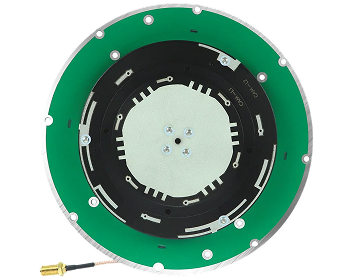
For an OEM customer, this support measurably reduces integration difficulty. Questions that would otherwise stall a project — antenna placement, correction input handling, output protocol configuration — can be answered directly by engineers who know the hardware. Where antenna selection and layout are part of the challenge, GNSS antennas from the same source remove one more compatibility variable.
GNSS Solutions for Different Industrial Applications
JUMPSTAR's experience spans the application areas where GNSS is no longer optional:
- UAVs and Drones. Lightweight, compact GNSS positioning solutions for autonomous flight, mapping and inspection.
- Precision Agriculture. GNSS positioning for tractors, agricultural machinery, autonomous steering and agricultural UAVs.
- Surveying and Mapping. High-precision RTK positioning for professional surveying, mapping and GIS applications, supported by high-precision RTK modules.
- Autonomous Systems and Robotics. Positioning and heading solutions for autonomous robots, mobile platforms and intelligent transportation systems.
Across these fields, JUMPSTAR acts as a high-precision GNSS manufacturer that understands the application context — not a vendor that sells the same board to every industry.
Why Work Directly with a GNSS Manufacturer?
Working directly with a manufacturer changes the relationship. Instead of layers of distribution between the customer and the people who design and build the hardware, the customer talks to engineers directly. The advantages include:
- Direct engineering communication
- Faster customisation discussions
- Better control over production
- More flexible OEM/ODM cooperation
- Fewer communication layers
- Better consistency between prototype and production
- Long-term technical support
JUMPSTAR does not claim to be the cheapest supplier in every comparison. The value proposition is different: engineering capability, manufacturing capability, customisation depth and ongoing support, combined in one partner. For a company building GNSS into a product that must ship reliably for years, that combination outweighs a lower per-unit price.
A GNSS OEM ODM Partner for Long-Term Product Development
A suitable GNSS OEM ODM partner should be able to support the entire product lifecycle, not simply deliver a component. As the product evolves — new variants, new markets, new firmware requirements — the supplier should evolve with it. JUMPSTAR's value proposition for OEM and ODM customers can be summarised as:
R&D + Customisation + Manufacturing + Quality Control + Technical Support
If you are developing a product that requires customised GNSS positioning, contact JUMPSTAR to discuss your application requirements, hardware specifications, customisation needs and production plans.
.png?imageMogr2/format/webp)
.png?imageMogr2/format/webp)